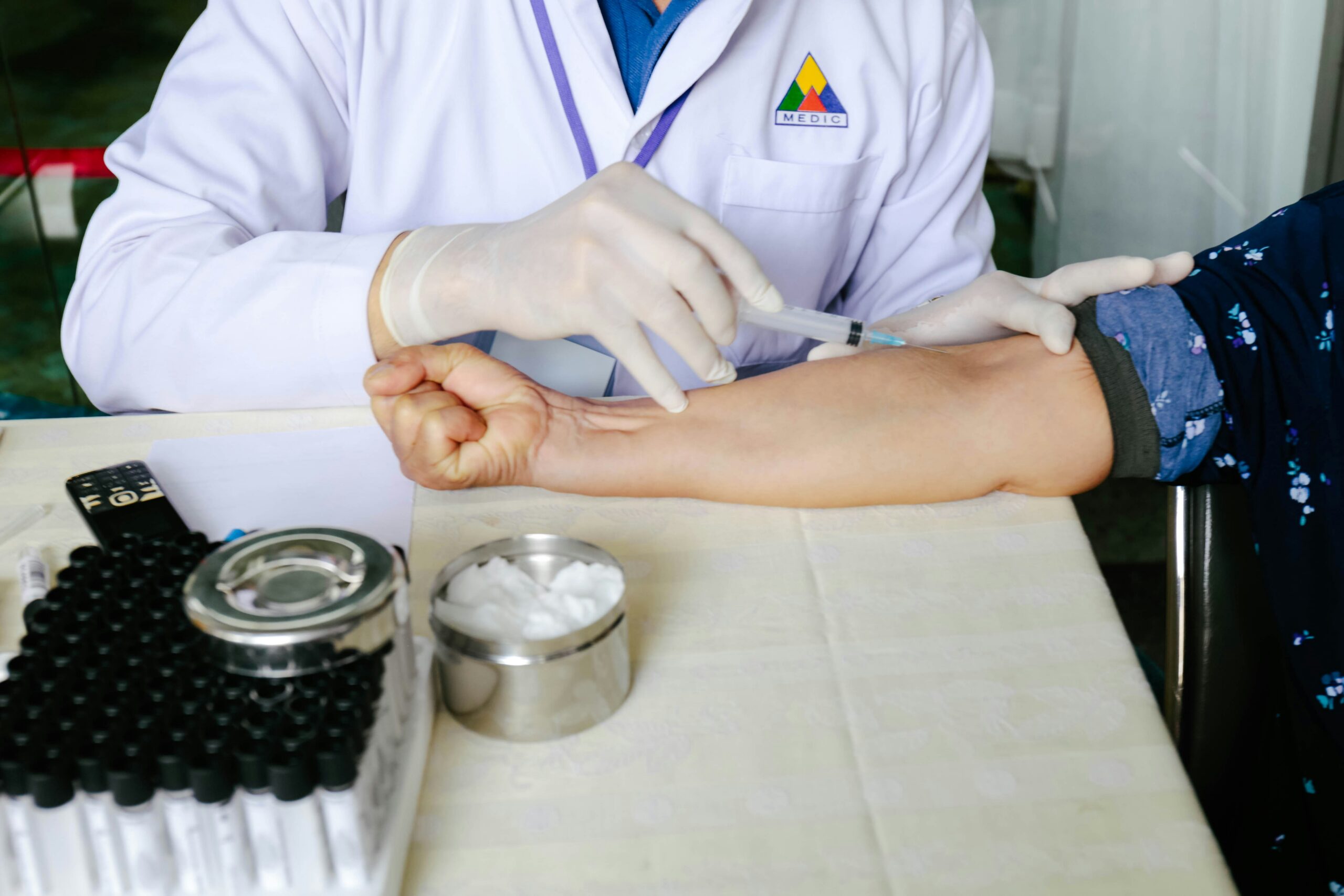
When going for blood tests, a lot of questions can pop up in your mind. Is fasting a must? At what time do I need to arrive at the laboratory? What do I need to bring with me? One small mistake and all the effort can go to waste.
But we will help you with this. This guide gives you a simple blood test preparation checklist. It covers fasting, timing, and what to bring. Always follow your own doctor’s instructions first. They know which test you need.
Once you’re ready, the next step is booking. Cura4U lab tests make that part easy. Here’s why we think it’s a great choice:
- You see the price before you book.
- You don’t need insurance.
- You can upload your lab order right in the app.
- You can pick from 3,000+ lab locations in all 50 states.
A Few Facts Before You Start
Fasting is the most common prep step. MedlinePlus, a service of the U.S. National Library of Medicine, says you usually fast for 8 to 12 hours before a test that needs it. During that time, you drink only plain water.
Not every test needs a fast. Many do not. Even for cholesterol, the rules have changed. In 2018, the American College of Cardiology and American Heart Association allowed non-fasting tests for routine screening, according to a review in the National Library of Medicine’s database.
Results also come fast these days. Blood tests give results in 24 hours to a few days.
Your Blood Test Preparation Checklist
Print this or save it on your phone.
The day before test:
- Ask if you need to fast. Do this at least a day ahead.
- Skip alcohol for 24 hours if you’re told to fast.
- Plan an early morning slot if you must fast.
- Drink water as you normally would.
- Get a good night’s sleep.
The morning of test:
- Follow your fasting rules exactly.
- Drink plain water.
- Take your medicines only as your doctor says.
- Wear a short-sleeve or a loose sleeve you can roll up.
In your bag:
- Photo ID
- Lab order or test request
- Insurance card, if you use one
- A list of your medicines and supplements
- A bottle of water
- A small snack for after
Fasting Before Blood Test
Fasting before blood test means you skip all food and drinks. You can only have plain water. Why does your doctor ask for this? Because what you eat and drink goes straight into your blood. Sugar, fats, and other things can change your numbers. A clean sample gives your doctor a true picture.
How Long?
Usually 8 to 12 hours. A simple plan is to stop eating at 8 p.m. and test the next morning. Most of your fast then happens while you sleep.
What Can You Have?
Plain water only. Don’t count juice, soda, flavored water, or sweet tea as water.
What Else Should You Avoid?
- Alcohol. It can change your liver and blood sugar results.
- Hard exercise. It can raise your blood sugar.
- Smoking and vaping. They can affect some test results.
Which Tests Need a Fast?
Fasting for blood sugar tests is often necessary. Some cholesterol tests were done on empty stomach in the past. Doctors may still ask for fasting if your triglycerides are very high. You might also need to fast before you start treatment for a gene-linked cholesterol problem.
So don’t guess. Ask your doctor for each test.
One Safety Note
If you take insulin or other diabetes medicine, talk to your doctor before you fast. Skipping meals with these medicines can be risky.
When to Go to Lab for Blood Test?
The time of day matters for two reasons.
- For fasting tests, pick the morning. You skip breakfast, get your blood drawn, and eat right after. It feels much easier.
- For non-fasting tests, eat as usual. You can have breakfast one to two hours before your test.
Some tests have special timing. For example, a lithium test should happen 12 hours after your last dose. Your doctor will tell you if your test works this way.
What About Your Medicines?
Most people can take their usual pills. But some medicines can change test results. Others may need a pause.
Here’s the rule: never stop a medicine on your own. Ask your doctor first. Also bring a list of everything you take. Include vitamins, herbs, and over-the-counter pills. The lab team may need to know.
What to Bring to the Lab for Blood Test
Pack these things the night before:
- Your ID. The lab needs to match you to the right tube.
- Your test order. This is the paper or screen from your doctor. It lists which tests to run.
- Your insurance card. Bring it only if you plan to use insurance.
- Your medicine list. Write down the name and dose.
- Water and a snack. Eat right after your draw.
- Your phone and charger. Waiting rooms can be slow.
If you get dizzy easily, bring a friend or arrange a ride.
How to Prepare for Blood Work
- Drink water. Water keeps more fluid in your veins. That makes it easier to take a sample.
- Stay calm. Take slow breaths. Look away if needles bother you.
- Tell the tech if you faint. They can help you lie down.
- Roll up your sleeve early. It saves time.
- Relax your arm. A loose arm is easier to draw from.
After Your Test
It is common to feel light-headed after a fasting blood test. So sit for a minute. Drink your water. Eat your snack. Then go on with your day.
Easy Mistakes to Avoid for Blood Test
- Drinking coffee “just this once” during a fast
- Skipping water and getting dehydrated
- Forgetting your test order
- Stopping medicine without asking
- Working out hard the morning of your test
Book Your Lab Test with Cura4U
Cura4U makes lab testing simpler. Through the Cura4U app, you can search for lab tests, see prices up front, and book from your phone. You don’t need insurance to book. If your doctor gave you an order, you can upload it in the app too.
Popular tests on Cura4U lab services include CBC, lipid panel, diabetes screening, thyroid tests, vitamin D, and liver and kidney function tests. Download the Cura4U app on the App Store, or get it on Google Play. Find your test, check the price, and book it today.
FAQs:
Do I always need to fast for a blood test?
No. Many tests don’t need it. When one does, you usually fast for 8 to 12 hours. Fasting blood sugar tests often need it. Random glucose tests don’t. Ask your doctor about each test. Don’t guess.
Should I take my medicines on test day?
Most people can. Everyday medicines like blood thinners and blood pressure pills don’t usually cause problems. But some tests need a pause. Never stop a medicine on your own. Ask your doctor first. If you take insulin or other diabetes medicine, ask before you fast.
How does Cura4U make my lab visit easier?
Cura4U puts everything in one app. You search for your test. You see the price. You book from your phone. Got a lab order from your doctor? Upload it in the app. You don’t need insurance.