
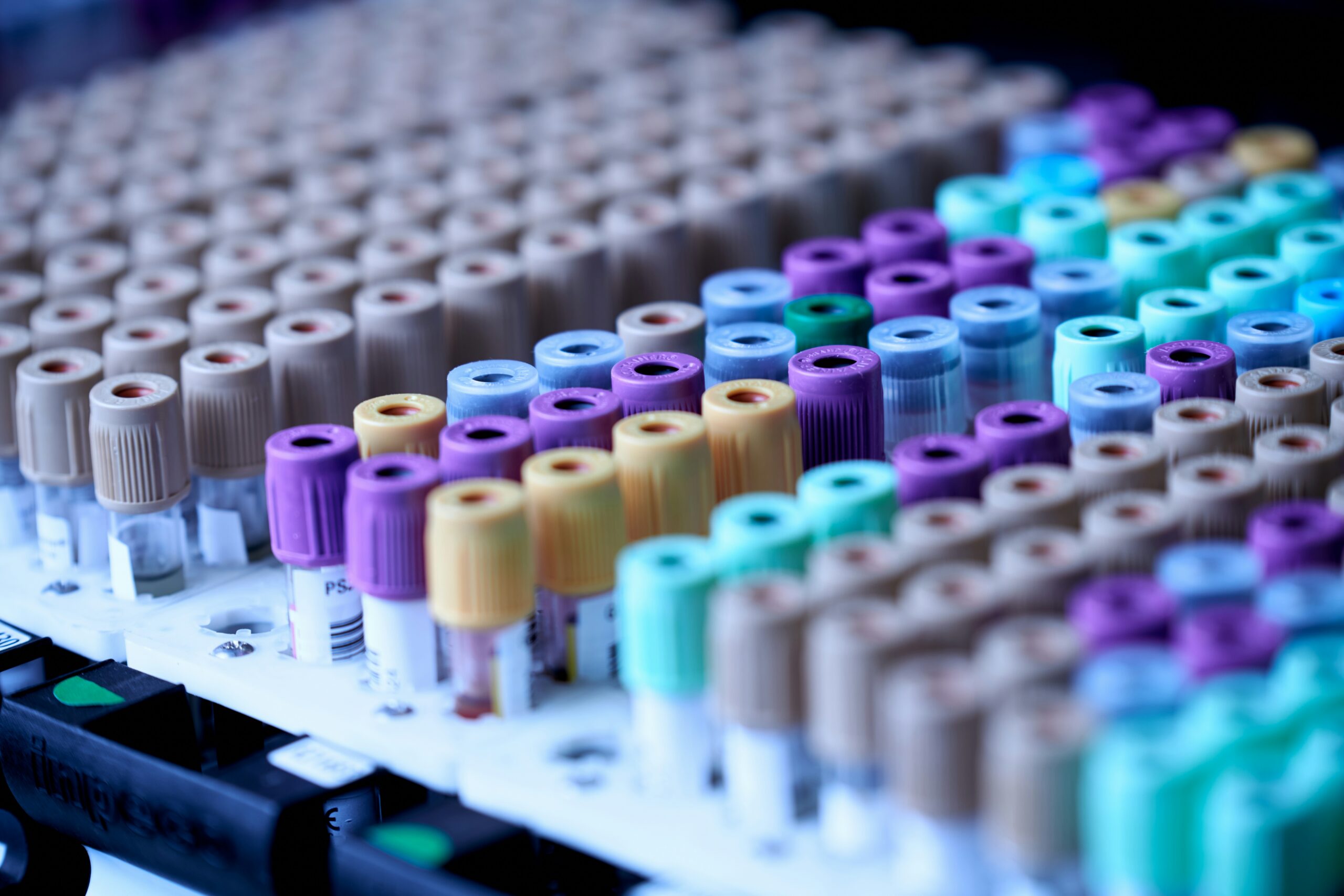
If you do not have U.S. health insurance, you can still get a lab test done. Most lab tests in the U.S. can be booked and paid for directly, without going through an insurance company at all. This is called self-pay or cash-pay testing. You choose the test, pay a set price upfront, visit a lab location for a quick sample draw, and get your results online. No insurance card, no waiting for approval, and no surprise bill later. This guide is written for anyone who needs a lab test but does not have coverage lined up yet.
Who This Guide Is For
This is for visitors and tourists in the U.S. who need a routine test while traveling. It is for new immigrants who have not yet enrolled in a health plan. It is for international students whose school insurance has gaps or does not start right away. And it is for U.S. residents who are simply uninsured or underinsured and want to know their real, upfront price before committing to anything.
If any of that sounds like you, the process below applies to your situation.
How Self-Pay Lab Testing Works, Step by Step
Getting tested without insurance is a short process with four basic steps.
1. Choose your test. Pick the specific test or panel you need from an online catalog. Prices are shown upfront, before you pay anything.
2. Order online. Add the test to your cart and complete payment. This can usually be done from a phone or computer in a few minutes, no clinic visit required to place the order.
3. Visit a draw location. Go to a nearby lab location for your sample collection, usually a quick blood draw or specimen drop-off. Most people are in and out within minutes.
4. Get results online. Your results are posted to a secure online account, typically within a day or two depending on the test, so you can view them from anywhere.
CURA4U runs this process through partnerships with Quest Diagnostics and BioReference Labs, two of the largest diagnostic lab networks in the country, giving you access to thousands of collection sites nationwide.
What Lab Tests Cost Without Insurance
Prices vary a lot depending on the specific test, but self-pay pricing is almost always transparent and shown before you book, which is the opposite of how insurance billing usually works.
Through CURA4U, individual lab tests start from $9, and customers can save up to 80 percent compared to standard list prices on tests from Quest Diagnostics and BioReference Labs. Routine panels like a basic blood count or lipid profile tend to sit at the lower end of the price range, while more specialized hormone or allergy panels cost more. The point of self-pay pricing is that you see the exact number before you commit, so there is no guessing and no bill that shows up weeks later.
Because pricing depends on the exact test you need, it is worth checking the price for your specific test rather than assuming a flat rate across the board.
Do I Need a Doctor’s Order?
Many lab tests in the U.S. legally require a physician’s order before a lab will process them. If you already have a doctor’s order or prescription, you can go straight to booking.
If you do not have one, that is not necessarily a dead end. CURA4U offers a physician-order service through its network of affiliated providers in select states. You request the service, answer some questions about your medical history, and an affiliated physician reviews the request and can issue the order for many standard tests.
Be aware of the honest limitations here. This service comes with an additional, non-refundable fee on top of the test price. It is not available in every state. And it is not guaranteed. Based on the information you provide, the reviewing physician may decide not to process a request and may instead recommend you seek in-person care, particularly if your situation sounds urgent or outside the scope of a standard asynchronous review. If that happens, the test payment itself is typically refunded, but the physician-order fee is not.
Common Tests Travelers and Immigrants Actually Need
The tests people in this situation ask for most often tend to fall into a few categories.
General Checkup Panels
Things like a complete blood count (CBC) or a general health panel, often used for a routine wellness check or simply to establish a baseline after arriving in the U.S.
Immigration-Adjacent Panels
Certain visa, work, or school requirements call for specific bloodwork or infectious disease screening. Requirements vary depending on the program or institution, so always confirm exactly what is required with the relevant authority before ordering a test on your own.
Hormone and General Wellness Tests
Tests like a testosterone panel are commonly ordered by people managing a known condition or simply tracking their health over time.
STD and Titer Testing
Sexually transmitted disease panels and immunity titers (checking whether you already have immunity to something like measles or chickenpox) are commonly needed for school enrollment, employment, or personal peace of mind.
This is general information, not medical advice. If you are ordering a test for a specific requirement, such as a visa condition or school enrollment rule, confirm the exact test needed with the institution requesting it before you book.
Documents and ID for Non-Residents
If you are a visitor, new immigrant, or someone without a Social Security number, you can generally still book and complete a self-pay lab test. Exact ID requirements can vary by lab location and by state, so it is worth confirming what you need to bring before your appointment, typically a government-issued photo ID of some kind.
Because this can vary by situation, if your case is unusual, such as no U.S.-issued ID at all, it is worth contacting support before you book, rather than assuming.
Limitations and Honest Notes
A lab test gives you a number or a result. It does not replace a conversation with a clinician about what that result means for you. Some results are straightforward, but others need context from someone who knows your full medical history.
Some tests also legally require physician involvement beyond just the order, particularly if the result could point to something that needs immediate treatment. Self-pay testing is a fast, affordable way to get information. It is not a substitute for care when you actually need it. If you are having a serious or life-threatening symptom, do not wait to book a self-pay test. Go to an emergency room or call 911.
Frequently Asked Questions
Can I get a blood test in the U.S. without insurance?
Yes. Self-pay lab testing is widely available and does not require insurance. You pay a set price upfront and can usually book online in a few minutes.
How much do lab tests cost without insurance?
It depends on the test. Through CURA4U, prices start from $9, with savings of up to 80 percent compared to standard list pricing on many tests.
Do I need a doctor’s order for a lab test?
Some tests require one. If you do not already have an order, a physician-order service is available in select states for an added fee, though it is not guaranteed to be approved for every request.
Can visitors or tourists use U.S. labs?
Yes. Self-pay testing does not require U.S. residency or a specific immigration status. Bring a valid photo ID to your appointment, and confirm any location-specific requirements ahead of time if you are unsure.
How fast do results come back?
Most results are available online within a day or two, though turnaround time depends on the specific test ordered.
Find and Order a Lab Test Today
If you need a lab test and do not have insurance, you can compare prices and book a test online in a few minutes. Browse the full test catalog and find a location near you. Find and order a lab test.