
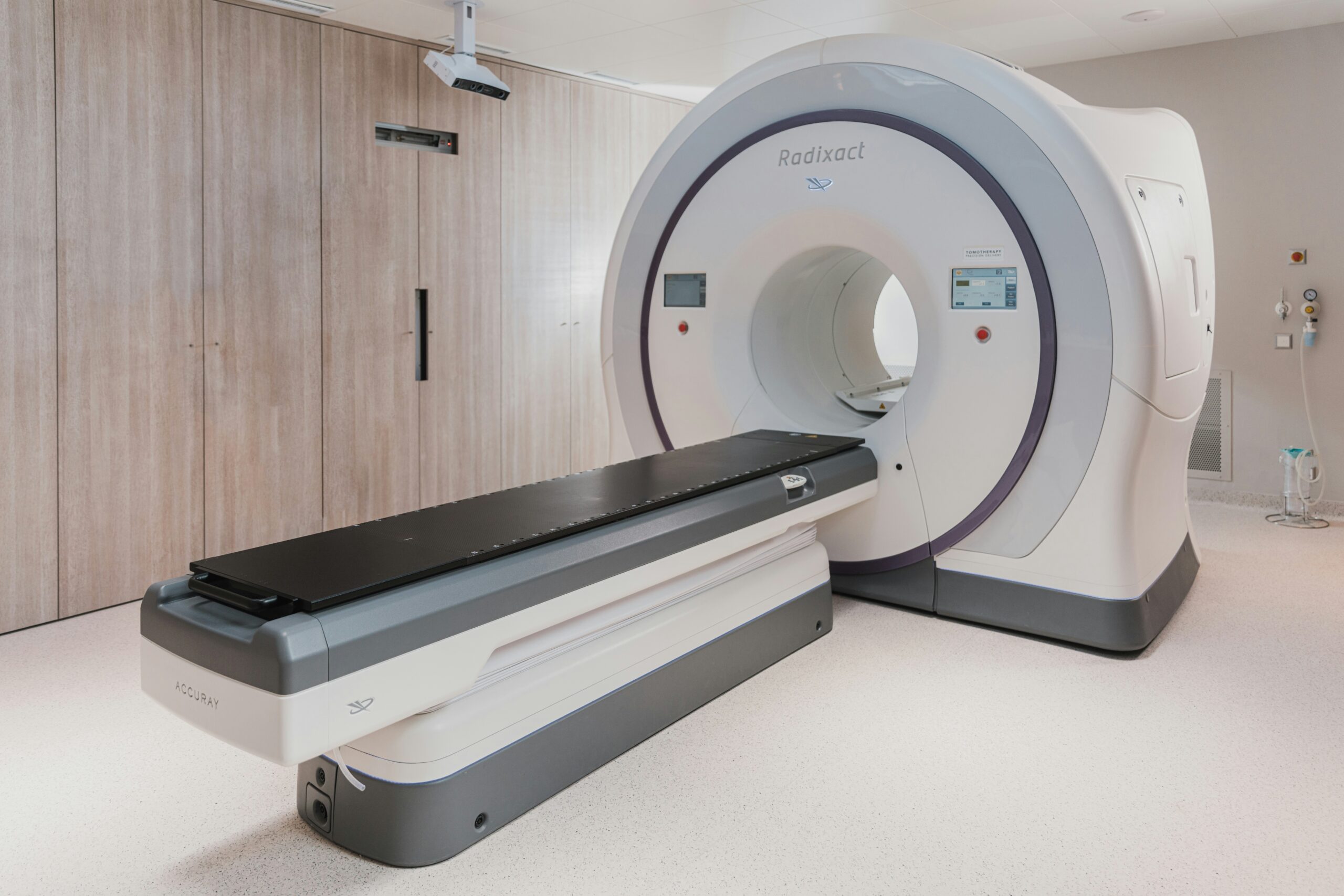
If you need an MRI, CT scan, or other imaging test and do not have insurance, or your insurance makes the process slow and unpredictable, self-pay imaging is a real option. You get an upfront price before you book, you pay directly, and you are not waiting on a prior authorization. Through CURA4U’s partnership with Green Imaging, patients can save up to 80 percent compared to standard imaging prices, with the price shown before you commit to anything.
This guide is not about listing every price. Two other guides already do that well. This one is about how to actually make a good decision once you are comparing options: what to check in a quote, whether you need a doctor’s order, what happens when contrast is involved, and how the booking process works from start to finish.
Why Imaging Prices Vary So Much
Imaging pricing depends on several factors: the type of facility (hospital-based imaging is almost always more expensive than a freestanding imaging center), the body part being scanned, whether contrast is used, and geographic location. This is true whether you are paying cash or going through insurance, since insurance pricing is often just a negotiated version of the same underlying variation.
If you want the full price breakdown by scan type, our MRI and Radiology Costs in the U.S. guide covers that in detail. This guide focuses on what to do with that pricing information once you have it.
How to Compare Self-Pay Imaging Quotes Properly
A low price is not automatically a good deal. Before you book, check these four things.
The Radiologist Read
Some facilities quote you the cost of the scan itself and charge separately for a radiologist to actually read and interpret the images. Without a professional read, you have pictures, not a diagnosis. Confirm the radiologist’s report is included in the price you are seeing.
Facility Fee Versus Professional Fee
In traditional hospital billing, these are often billed separately, which is part of why bills feel confusing. A transparent self-pay quote should combine these into one number so you know your total cost upfront, with no separate bill arriving later.
Contrast Cost
If your scan requires contrast dye, confirm whether that cost is already included in the quoted price or added separately. This is one of the most common places where a quote looks cheaper than it actually is.
Repeat-Scan Policy
Ask what happens if the images come back unclear or incomplete, whether due to motion, positioning, or a technical issue. Find out if a repeat scan is covered or if you would be charged again.
If a quote does not clearly answer these four questions, ask before you pay.
Do You Need a Doctor’s Order for Imaging?
Yes. Nearly all diagnostic imaging in the U.S. legally requires a physician’s order, regardless of whether you are paying cash or using insurance. If you already have an order from your doctor, you can go straight to booking.
If you do not have one, CURA4U offers a physician-order service through its network of affiliated providers in select states, for an additional non-refundable fee. This works for non-contrast studies. It is important to understand the exact limits of this service, since imaging with contrast is treated differently for safety reasons.
If your scan requires IV contrast, the asynchronous physician-order service does not apply. Instead, you will need to complete an online visit with a physician first, and you will likely also need a kidney function lab test (a creatinine test) before the contrast scan can be scheduled. This requirement exists because contrast dye is processed by the kidneys, and a physician needs to confirm your kidneys can safely handle it before ordering the scan. This is not an optional step and not something a quote or price comparison can skip past.
Booking Walkthrough
Once you know what you need, the process itself is short.
1. Search for your scan. Look up the specific imaging test you need and see the price directly.
2. Review the price and what’s included. Confirm the radiologist read, contrast cost if applicable, and total price before paying.
3. Book and pay. Complete payment online. If you need a physician’s order and do not already have one, this is also where that request gets submitted.
4. Visit the imaging center. Go to your chosen Green Imaging location for the scan itself.
5. Get your results online. Results are posted to your account once the radiologist has completed the read.
When Self-Pay Imaging Makes Sense Even With Insurance
Self-pay is not only for people without coverage. If you have a high-deductible health plan, your insurance may not actually pay anything toward your imaging cost until you meet a deductible that could be thousands of dollars away. In that case, comparing the self-pay price against what your plan would actually charge you out of pocket is a reasonable thing to do, since the self-pay price is sometimes lower than the negotiated rate you would owe anyway. This is worth checking case by case rather than assuming insurance is always cheaper.
Limitations
An imaging result is not a diagnosis by itself and is not a substitute for follow-up with a clinician who can put the result in context with your symptoms and history. Self-pay imaging is meant for planned, non-emergency situations.
If you are having chest pain, sudden severe headache, difficulty breathing, signs of a stroke, or any symptom that feels like a medical emergency, do not book a self-pay scan and wait. Go to the nearest emergency room or call 911. Self-pay imaging is not built for urgent or emergency situations, full stop.
Frequently Asked Questions
How much does an MRI cost without insurance?
Prices vary depending on the body part and whether contrast is needed, generally ranging from a few hundred dollars to several thousand for more complex studies. Through CURA4U’s self-pay pricing, patients can save up to 80 percent compared to standard rates. See our full MRI and radiology cost guide for detailed pricing by scan type.
Can I get a CT scan without insurance?
Yes. CT scans are available through self-pay with upfront pricing, the same as MRI and other imaging services.
Is self-pay imaging lower quality?
No. Self-pay imaging is performed at the same accredited imaging centers using the same equipment as insurance-billed scans. What changes is how you pay, not the quality of the scan or the radiologist reading it.
Do I need a referral or doctor’s order for an MRI?
Yes, a physician’s order is required for imaging in the U.S. If you do not already have one, an order service is available for non-contrast studies. Contrast studies require an online physician visit and typically a kidney function lab test first.
Can I use self-pay pricing if I have insurance?
Yes. Many patients with high-deductible plans or plans that do not cover a specific test choose self-pay because the upfront price is clear and sometimes lower than what they would owe out of pocket through insurance.
Compare Imaging Prices
Ready to see pricing for your specific scan? Browse MRI, CT, and other imaging options and get an upfront price before you book.