
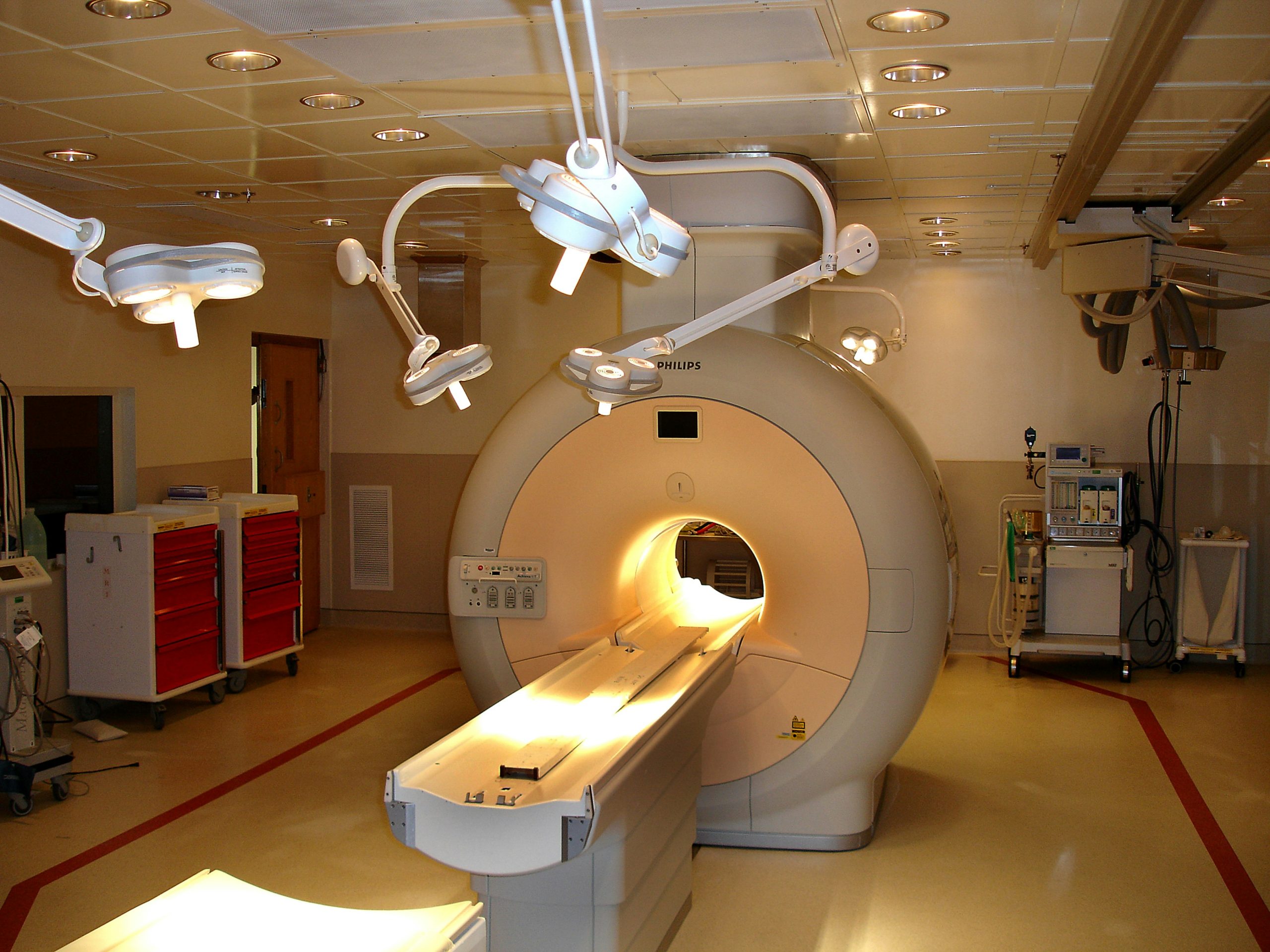
When your doctor prescribes an MRI, CT scan, or X-ray, getting reliable results is your top concern. However, the next biggest concern for millions of patients in the US is: How much will it cost? Depending on a number of variables, including imaging center type, and mode of payment, radiology test costs in the United States can vary significantly. Although the cost of these diagnostic procedures frequently leaves consumers perplexed or anxious, they are essential in identifying injuries, chronic illnesses, and other medical issues.
Let’s explore the costs of various radiology treatments, such MRIs, CT scans, and X-rays, to help you make an informed choice. You’ll also learn how self-pay and cash-pay alternatives can drastically lower your medical imaging costs.
Common Radiology Test Costs
Radiology tests enable physicians to view internal organs, bones, and tissues without the need for surgery, they are essential to modern healthcare. Simple X-rays to more complex scans like MRIs and CT scans are all included in this category of imaging examinations. Patients can make more informed healthcare and financial decisions if they are aware of the average cost of radiology tests in the United States.
MRI Cost in the U.S.
In the United States, an MRI usually costs between $400 and $12,000, depending on a number of variables like:
-
The physical portion that is being scanned, such as the knee, spine, or brain.
-
Whether self-pay or insurance coverage is used.
-
The imaging center’s location and type (hospital vs. outpatient clinic)
-
Additional needs, including contrast dye or sedation
CT Scan Cost in the U.S.
CT (Computerized Tomography) scan creates comprehensive cross-sectional pictures of the body by combining numerous X-ray images. It is frequently used to find tumors, organs injuries, bone fractures, and internal bleeding.
In the United States, a CT scan typically costs between $300 and $7,000, depending on a number of conditions, including:
-
The scan type (brain, abdomen, chest etc.)
-
The location of the facility and its cost
-
Is contrast material necessary?
-
The mode of payment self-pay or insurance
X-Ray Cost in the U.S.
X-ray in the U.S. is one of the most popular and reasonably priced imaging examinations for examining joints, bones, and lungs. It aids medical professionals in the diagnosis of arthritis, infections, and fractures.
In the United States, an X-ray typically costs between $270 and $300 depending on the part of the body, the type of institution, and whether it is done in an outpatient clinic or an emergency hospital.
How Self-Paying Options Can Save on Radiology Tests
There is some good news if the above-mentioned radiology expenses appear excessive: patients are not always required to pay these high prices. Self-pay radiology solutions are becoming more and more popular in the US because they provide clear, up-front pricing without the stress of insurance claims or unexplained costs.
Through platforms like CURA4U, patients can book imaging services directly and pay significantly less than national averages. For example:
-
MRI starting at $305
-
CT Scan starting at $250
-
X-Ray starting at $75
Patients can avoid unexpected medical fees and know exactly how much they’ll pay before the scan by selecting cash-pay or self-pay options. This strategy not only lessens financial strain but also increases the affordability and accessibility of necessary radiological exams, particularly for those without insurance or searching for an affordable healthcare solution.
Final Thoughts
Radiology tests are necessary for precise diagnosis and treatment, individuals shouldn’t be denied the care they need because of their high cost. Self-pay solutions are making healthcare more accessible and inexpensive, even though the average imaging costs in the US can seem daunting.
Patients may save more money, take advantage of transparent pricing, and effortlessly manage their imaging requirements with CURA4U—all without affecting the standard of care they receive.Explore the website today and learn more about the platform.
FAQs
Can I get an MRI or CT scan without insurance?
Yes. Patients can pay out of pocket (self-pay) at a lot of imaging centers. In actuality, because of hidden billing and facility fees, paying cash up front is frequently less expensive than using insurance.
Are self-pay prices always lower than insurance prices?
Yes. There are numerous imaging centers where patients can pay out of pocket (self-pay). In reality, it is sometimes less expensive to pay cash up front than to use insurance due to hidden billing and facility fees.
How can I find affordable imaging near me?
Platforms that offer upfront pricing and subsidized rates, such as CURA4U, link patients with testing centers directly. It’s a sensible choice for those without insurance or who wish to prevent unforeseen expenses.