
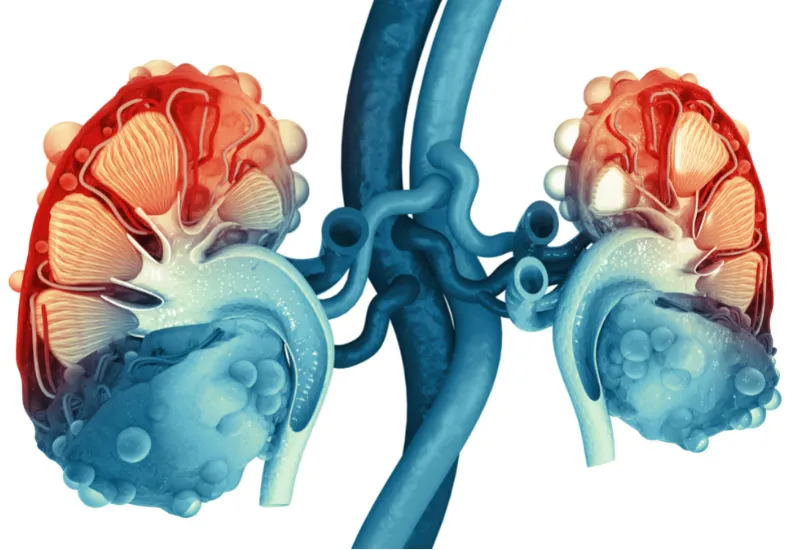
You’ve probably heard the joke “Sell one of your kidneys to get some quick cash” quite often. With kidney failure being a prevalent issue around the world, the market for kidney selling is vast and generous. Although you can safely function with only one kidney, we wouldn’t really recommend living like that. Your body’s kidneys are its natural filters. Their main purpose is to filter out the blood from toxins and make urine from your body’s waste. It is safe to say, without your kidneys, your body wouldn’t function the same way. This blog will help you realise how important this organ is, and why it should mean more to you than a punchline to a bad joke.
What are the Symptoms of Kidney Failure?
The basic purpose of Kidneys is to filter out the waste and remove the toxins in your blood. Therefore, the sooner you detect that you are suffering from Kidney failure, the better.
Some basic symptoms of Kidney Failure are, a decrease in the amount of urine passed, this would then mean that your body is unable to release the amount of fluids it should. This is known as fluid retention and it is another sign of kidney failure. You can figure out if you suffer from fluid retention if there is some swelling in your body, especially around the knees and the legs.
Other symptoms of kidney failure include, shortness of breath, fatigue, nausea, general weakness in the body, irregular heartbeat and even chest pains and feelings of pressure in the general heart area. In extreme cases, kidney failure can also lead to a person going into a vegetative state or a coma. Some people have even reported getting rashes and nosebleeds.
Therefore, if you have been feeling some discomfort around the kidney area and experience some of the symptoms mentioned above, you should contact your doctor immediately.
To request a check-up at Cura4U please click here.
Reasons for Kidney Failure:
There are a few reasons why someone may become affected by kidney failure. One reason is, that there may be some physical damage done to the kidney. This damage can be caused both externally as well as internally. Internal damage can be caused due to blood clots in the veins and arteries leading to or near the kidney. The blood clots will also lead to a lower amount of blood going to your kidney which can prove to be harmful, as not enough oxygen is going to the organ to allow it to function properly. Other internal reasons include infections, Lupus (an autoimmune disease) and even cholesterol. Kidney failure can also be caused due to urine blockage in the kidneys which may be caused by a prevailing disease, which might make it difficult for urine to pass out of the body.
External factors can include some damage caused during an incident, vast consumption of intoxicants such as, alcohol and cocaine and even complications in the body due to some medication. Consuming toxins can also cause muscle cell degeneration which is also a reason for kidney failure.
Other reasons for kidney failure include, loss of blood or complications in the heart, such as, heart attacks or blood pressure issues. Even medications needed to treat blood pressure are known to cause acute kidney failure.
Treatment of Kidney Failure:
Once you visit your doctor fearing that you might have some form of kidney failure, your doctor might ask you to get a series of tests done. These tests include blood tests, that are specifically designed to notice high amounts of urea and creatinine, these are known to cause kidney failure in the body. Other tests include urine sample tests, imaging tests or even getting a biopsy. Your doctor might choose one or all of the tests above, depending on his or her professional judgment.
There are many treatments available, for acute kidney failure. It depends on what is actually causing your kidney failure in the first place. Your doctor will have to investigate and find the root cause of your symptoms and choose a treatment plan accordingly. However, in the case of severe kidney failure, also known as the End-Stage Renal Disease (ESRD), the only options are dialysis or a kidney transplant. This is because your kidneys have completely given up and are no longer viable options to filter out the toxins in your body. Therefore, you will require a replacement and also one soon. Dialysis will help remove the toxins and the excess potassium in your body in turn helping you live a healthy life. In dialysis, the blood in your body is taken out and transferred into a machine that will filter it out and then return it into your body. The dialysis machine is a sort of an artificial kidney. A transplant is usually the preferred alternative as dialysis is a constant process, which will have to be repeated multiple times, which can also seem to be costly. However, it is not always easy to find an organ donor and sometimes dialysis is the only option for most patients.
Life After Kidney Failure:
Life after kidney failure will require a lot of adjustment. You will have to watch your diet and ensure that you are not consuming a lot of potassium or water, as it will be hard for your body to process these two. Kidney failure can also take a toll on your mental health, so please make sure to consult a therapist if you experience any negative thoughts.
However, a life with kidney failure is possible as we have come a long in the field of medicine and there are plenty of resources available to help you adjust to your new life.