
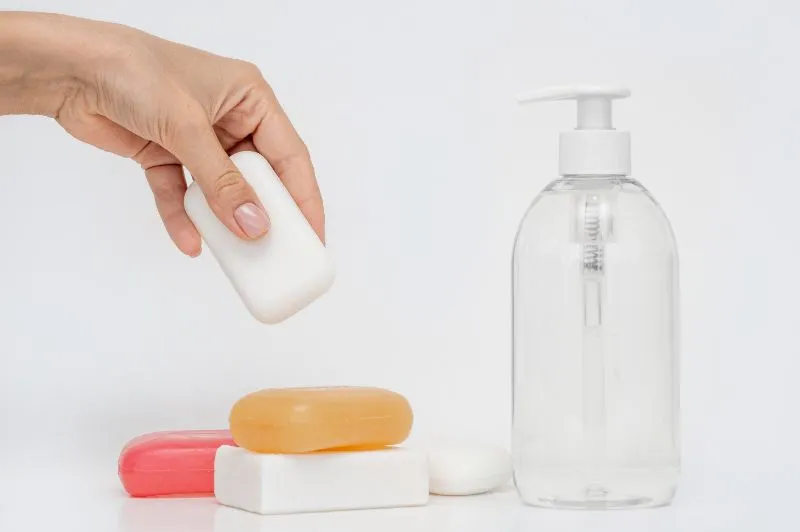
Ever since the COVID-19 took over the world, its prevention has become a priority for people. People tend to touch their faces quite a lot throughout the day, which is one of the leading causes of the virus spreading. Due to this reason, it is necessary for people to wash their hands with soap or, in case soap is unavailable, sanitize their hands. The aim is to keep the virus-carrying germs at bay, one way or another.
What is the virus made up of?
It was only until five months ago that the world, including doctors and scientists, came to know about SARS CoV2, the organism that causes COVID-19. Even though no vaccine has been created to treat this virus, there is slight information regarding it. The virus is made up of three main things:
- RNA – the genetic material they carry
- Protein – it holds the nucleic acid and helps the virus to grow in a host body
- Lipids – the outer layer of the virus is made up fatty lipids that hold it all together
The most important part about this structure is that the bonds between these three things are weak covalent bonds. Since these are nanoparticles, it is important for people to wash their hands to make sure they are removed from any tiny crack of the skin.
How does soap kill virus-spreading germs?
Soap is made up of fats and lipids, which play an integral role in breaking down the virus. Since the outer layer of the virus structure is made from lipids, the fat in the soap sticks to it and breaks it off. The soap dissolves the bonds and breaks down the entire structure. To top it off, the water washes it all away.
However, if you think that just rubbing your hand with soap and water will do the trick, you are wrong. To ensure that the virus washes away thoroughly, you need to wash your hands for a good 20 seconds, at least. Moreover, washing hands with water alone is also not enough since it is insufficient to wash the virus away.
Is hand sanitizer a better alternative to soap?
While washing hands using soap and water is most recommended, you may not have access to them at all times. In such cases, rubbing your hands with an alcohol-based sanitizer is the best way to kill germs. However, you cannot choose alcohol-free hand sanitizers.
Sanitizers with a minimum of 60% alcohol content can be used to rub hands thoroughly. The FDA recommends that people get hand sanitizers with 95% ethanol content. You do not want a simple antibacterial hand sanitizer, which will have no effect on the virus-carrying germs. The alcohol content also tends to dissolve the virus, making your hands clean and safe.
Which one is better?
The debate comes down to one simple question: is soap better than hand sanitizer or vice versa? To answer this question, it is vital that you look at the goal. You want to remain protected from the virus and need your hands to be clean. Both are effective to kill the virus, but it is the technique that matters more.
When washing your hands, you need to be sure that you wash it for 20 to 40 seconds and rub the soap all over your hands thoroughly. While using a hand sanitizer, you should rub the alcohol-based sanitizer on your hands in detail until the sanitizer dries out. The alcohol has to break down the virus structure completely, hence it needs time to work its magic.
If you are at home or in a place where soap and water are available, make use of them. However, if you have stepped out of the house and need to clean your hands, an alcohol-based hand sanitizer is your best option.
In such disturbing times, it is vital to stay up-to-date with relevant information from authentic healthcare sources before spreading misinformation or applying invalidated measures to yourself.